
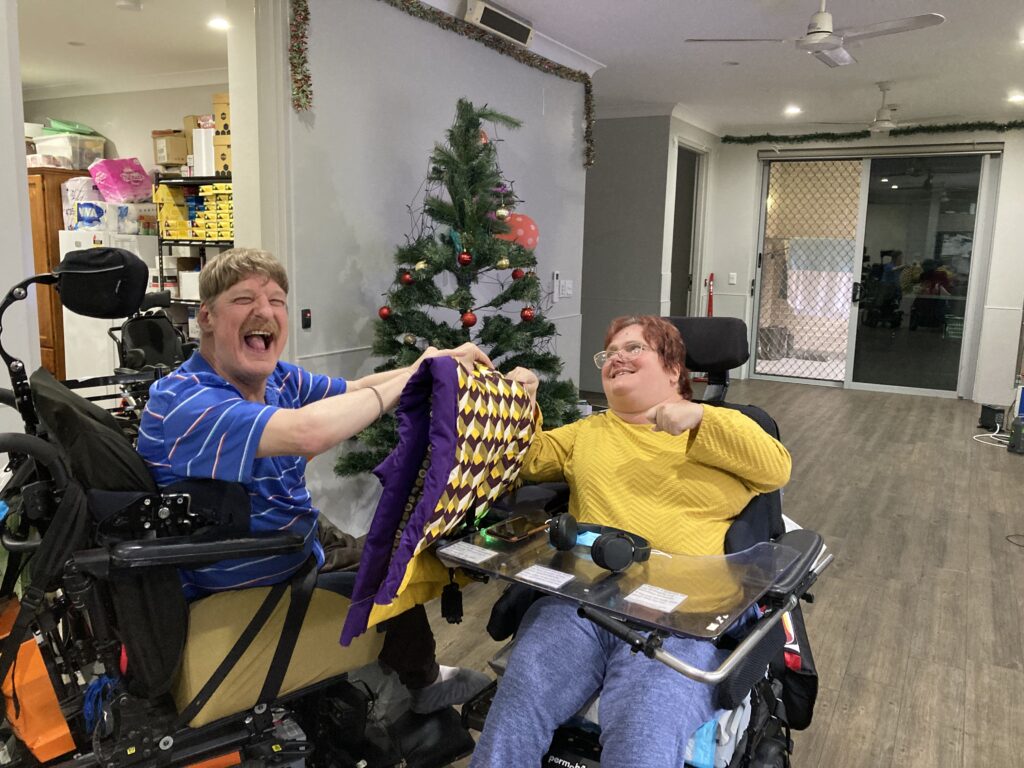
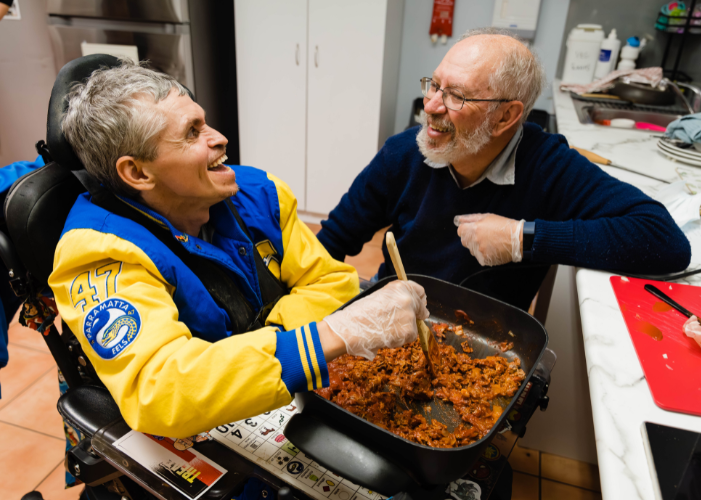

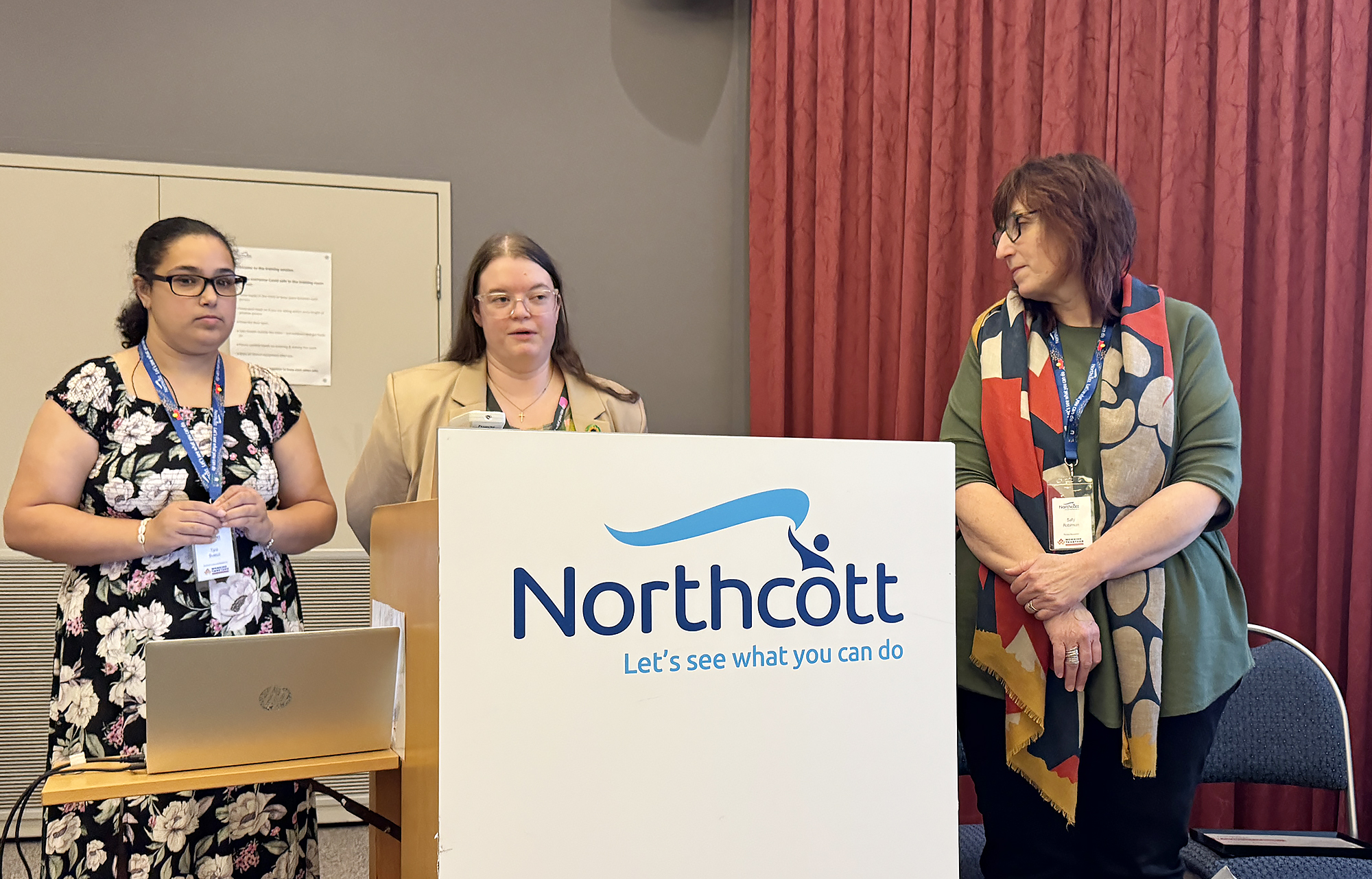
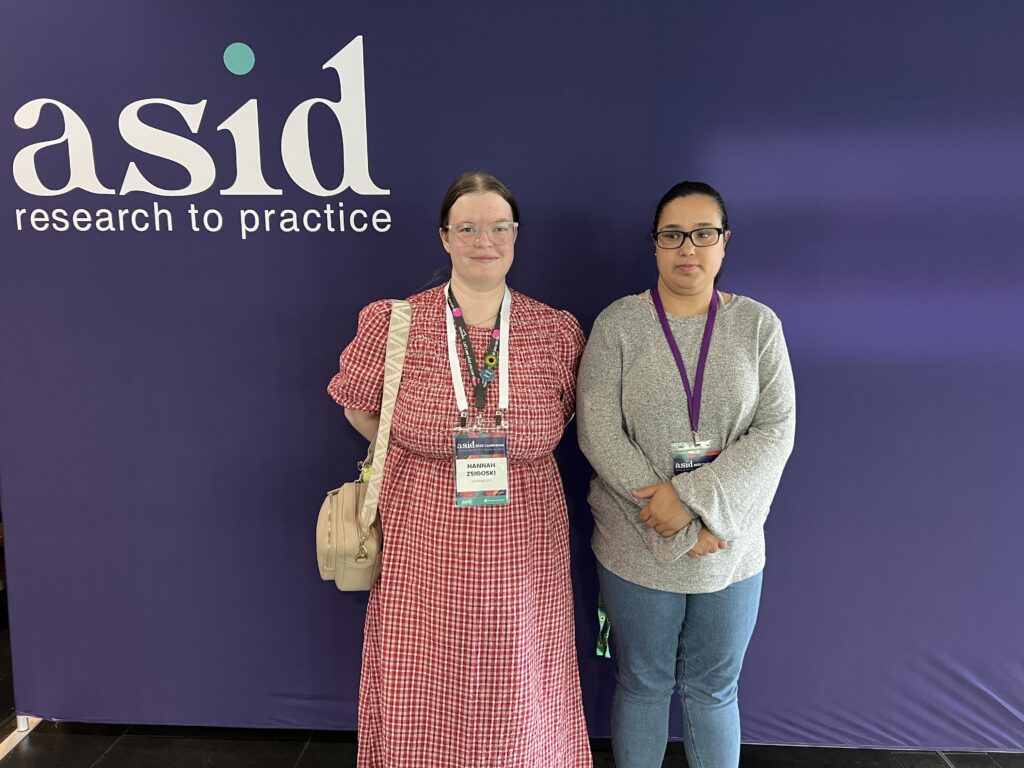
Hannah and Tyra have been reshaping how disability research is done. As both Northcott customers and employed Community Research Partners, they have brought lived experience, understanding and leadership to a groundbreaking inclusive research project called Preventing Everyday Harm.
The research named and defined “Everyday Harms” as a form of harm that is common, often unnoticed, and usually unreported, but deeply damaging over time. It showed how small, everyday interactions, not extreme incidents, have the biggest impact on people’s sense of safety, dignity and wellbeing.
Research informed by lived experience
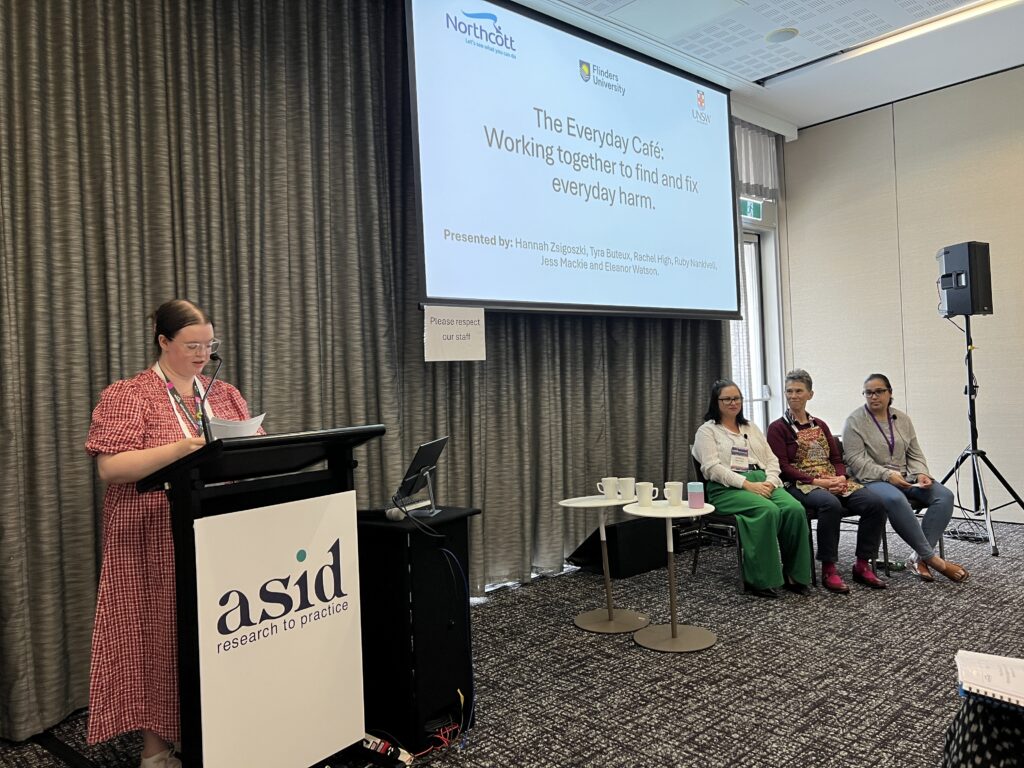
Hannah and Tyra’s work shows the impact of inclusive and meaningful employment, and ensured the research is grounded in real-world experience. As Community Research Partners, they helped shape research questions, reviewed findings, developed accessible resources and co-presented outcomes, including at the Parramatta event.
Their point of view helped to translate project research into practical knowledge that can now inform disability services, support workers and policymakers.
Tyra explains that “Everyday Harm” can mean “not having opinions mattered and heard,” like when a person with disability is not given real choice by a support worker, or when others fail to recognise anxiety or communication needs.
Hannah similarly describes everyday harm as situations where control is taken away unnecessarily.
“It is important for support workers to understand and know when not to overstep and be in control and let the person be in control unless they says otherwise,” she says.
Taking the message to a national stage
“It felt amazing, and I am very proud of myself for being a part of the ASID Conference,” Tyra says.
Hannah admits she initially felt overwhelmed, having returned from her holiday just days earlier.
“With one practice round, I felt confident with the talk and felt good with the answers I said at the end,” she says.
Hannah stayed to answer questions after the presentation, proving how everyday harm can be avoided by giving people genuine opportunities to lead.
Together with fellow community researchers and academic partners, they spoke about what everyday harm looks like in settings such as cafes and outlined practical steps to address it: recognising when harm is happening, repairing the harm and then addressing it to prevent it repeating.
- Most harm is not intentional: It often comes from being rushed, ignored, spoken over, or not taken seriously.
- Harm accumulates: One small incident might seem minor, but repeated experiences quickly erode trust, confidence and wellbeing.
- Safety is created in relationships: Feeling listened to, respected and included by the people who support people with disability, matters more than anything.
- Prevention happens early: Noticing discomfort, checking in, apologising, slowing down and repairing interactions stops harm from escalating.
- Organisational culture matters: The ‘rules and vibes’ of a workplace shape how people behave far more than written policies.
Impact within Northcott and beyond
The impact of Hannah and Tyra’s work is being felt across Northcott, influencing how services think about power, choice and everyday interactions. Their contributions are also reaching the wider community through conference presentations, training materials and online resources designed to help workers, families and organisations better understand everyday harm.
Both women hope the research will lead to greater patience, understanding and respect from support workers. Tyra wants government and the NDIS to invest in more training on recognising and reducing everyday harms, using the project’s videos and resources. Hannah emphasises that many people with disability may not feel safe to speak up about harm, and that programs like this help ensure their voices are heard.
Leadership through meaningful work
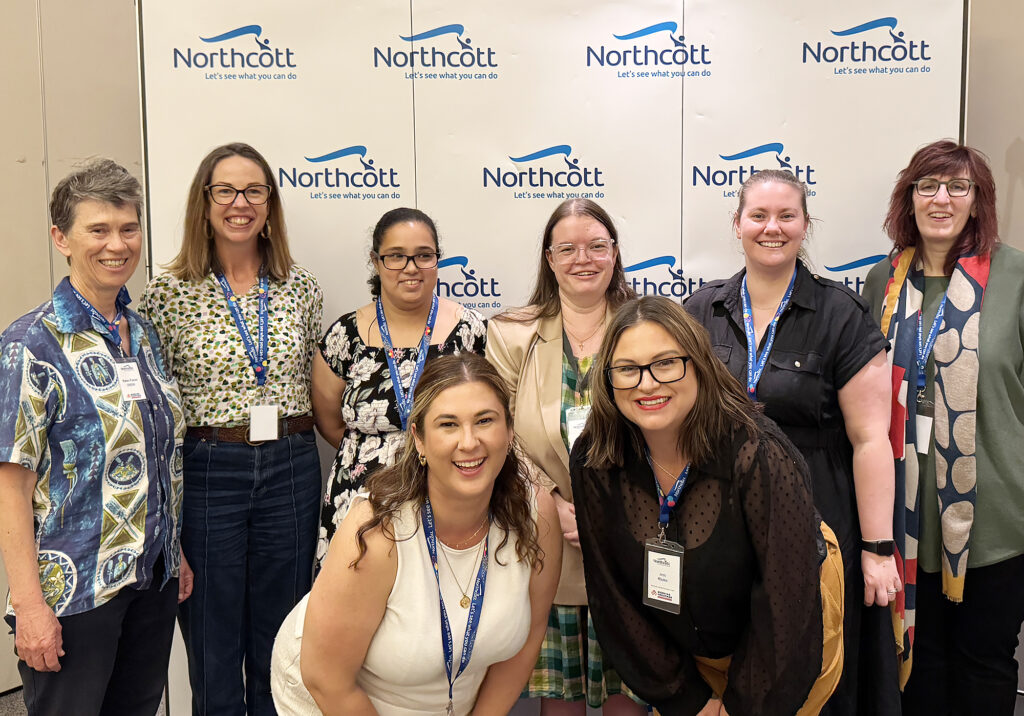
Hannah and Tyra’s roles as Community Research Partners demonstrate what leadership and empowerment can look like when people with disability are supported to do meaningful, valued work. They are not just participants in research about disability; they are co-creators, educators and advocates shaping change.
“Every day harm happens everywhere, and we want to share the knowledge to all – to see what harm is and how to act when it happens, because not everyone knows it’s happening in the first place,” Hannah says.
Through their commitment and new skills, Hannah and Tyra are helping to build a disability sector that listens more closely, acts more thoughtfully and places people with lived experience at the centre of research and reform.
Find out more about the Everyday Harms project , opens in a new window
17 August 2026
12 August 2026


Accessibility and Inclusivity
We respect and honour Aboriginal and Torres Strait Islander Elders past, present and future. We acknowledge the stories, traditions and living cultures of Aboriginal and Torres Strait Islander peoples on this land and commit to building a brighter future together.
Read more about our commitment to reconciliation