



We have received your message and one of our dedicated team members will respond soon
Occupational Therapy
Learn the skills you need to build a more independent, fulfilling life

How we can empower you to reach your full potential
NDIS occupational therapy builds your capabilities to take part in many of the activities of daily living and gain a rewarding new level of independence.
Start your journey to build the skills and confidence you need to live more independently and get the most out of life. Occupational therapy can empower you to build your independence and perform a wide range of daily tasks at home, at school, in the workplace or out in the community. Our personalised services offer you expert support and care to achieve your goals, whatever they are.
You may want to learn new skills around the house, like washing, ironing and cleaning. Or take the bus to the shops so you can buy groceries. You might be looking for assistance and resources to confidently take part in school or get a job. Or even join a community group, enjoy a hobby, and make new friends.
Our experienced occupational therapy team will work closely with you, your family, carers, teachers, support workers and employers to achieve the best possible results. We understand your circumstances are unique and everyone works at their own pace. This is why our occupational therapy service is tailored just for you.
-
Your Goals
Your Goals
Motor skills
Play & Social skills
Self Care
Explore our Occupational Therapy service
We start with an occupational therapy assessment to look at your needs, and then create a plan to achieve your goals. Together we’ll look at your current abilities, build upon your strengths and develop valuable new skills.
-
Personalised Occupational Therapy
Personalised Occupational Therapy
Develop a range of practical skills
Build your skillset to open a new world of independent living including:
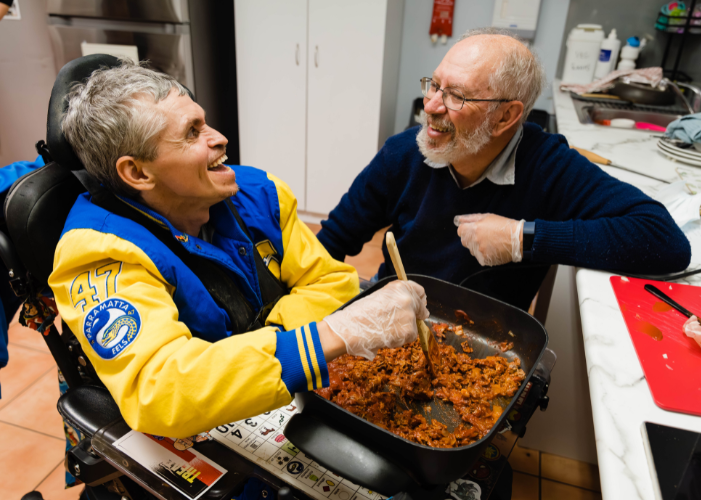
- Self-care skills such as toileting, dressing, showering and daily skills such as preparing food will enable you to tackle your daily routine with ease
- Improving fine motor skills to make tasks like tying shoelaces, handwriting, and using everyday objects possible
- Strategies for learning, problem solving and organisational skills to build confidence at school or in the workplace
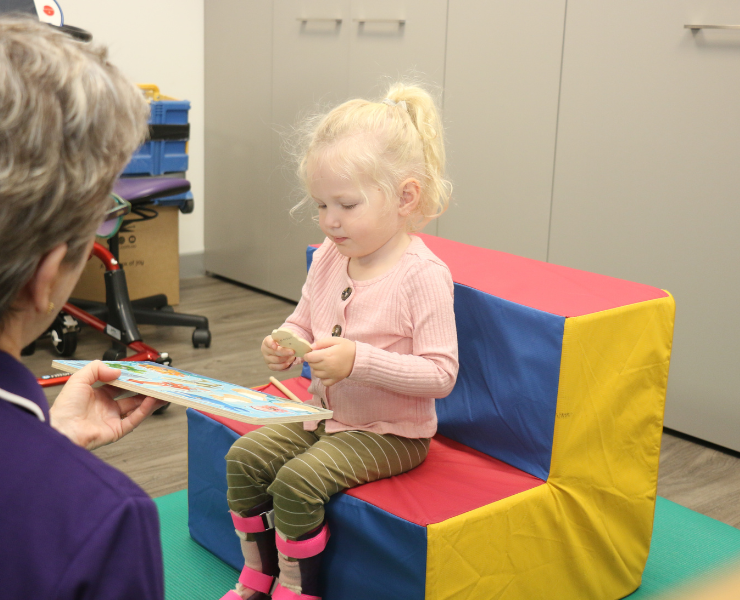
- Development of play supports cognition, supports young children to enjoy creative play, and build a satisfying play repertoire
- Effective social skills are important for people of any age to build meaningful connections, make friends, take turns, and enjoy fulfilling relationships.
Move around different environments
We’ll work with you on mobility goals, so you can enjoy a more independent life and safely participate in daily tasks. This might include assessment, trial and recommendation for equipment – such as specialised seating, wheelchairs, commodes and hoists. We can also recommend changes to your environment that might help you – from minor changes like rails and ramps, to bathroom and vehicle modifications.
Create effective strategies to use every day
With the right strategies, you’ll be able to master many of the activities of daily living, and manage the way your senses might influence your behaviour. You’ll feel more confident when taking part in activities that matter most to you. This may be in your own home, school, the workplace or as an active member of the community.
Understand how you process information
By understanding how you process different sensory information – such as sound, touch, sight, taste and smell – you can learn useful strategies to manage sensory sensitivities in a variety of settings.
Frequently Asked Questions
What is paediatric occupational therapy?
Paediatric occupational therapy helps children develop the skills they need for everyday activities, including self-care, play, learning and social participation. Occupational therapists work with children to improve independence, confidence, emotional regulation and engagement at home, school and in the community.
What does an occupational therapy assessment involve?
An occupational therapy assessment looks at a person’s strengths, challenges and goals across daily activities. Depending on individual needs, the assessment may consider mobility, self-care, functional movement, sensory processing, home safety, community access and participation in everyday life.
What is an OT assessment used for?
An OT assessment helps identify support needs and provides recommendations to build independence and participation in daily life. Assessments may be used to support therapy planning, assistive technology recommendations, home modifications or NDIS planning.
What is a functional assessment in occupational therapy?
A functional assessment occupational therapy service evaluates how a person manages everyday tasks such as dressing, cooking, personal care, mobility, emotional regulation and community participation. The assessment helps identify areas where support, equipment or therapy may improve independence.
What is an OT functional capacity assessment?
An OT functional capacity assessment provides a comprehensive report outlining a person’s current abilities, and support needs across self-care, movement, sensory processing, emotional regulation and participation. These assessments are often used to inform NDIS funding decisions and future support planning.
How can occupational therapy help improve daily living skills?
Occupational therapists support people to develop improved daily living skills through personalised therapy programs. This may include assistance with personal care, meal preparation, household tasks, organisation, community access, emotional regulation, social participation and developing routines that promote independence.
What autism supports can be funded through the NDIS?
NDIS funded autism support may include speech therapy, occupational therapy, psychology services, behavioural supports, social skills development, support coordination and assistance with daily living activities, depending on individual goals and needs.
What are NDIS Improved Daily Living Skills supports?
NDIS Improved Daily Living Skills funding can support therapies such as occupational therapy that help participants build independence and achieve their goals. Occupational therapists can work with participants to develop practical daily living skills and increase participation at home, school, work and in the community.
How can occupational therapy help people with autism?
Occupational therapy for autism focuses on helping children and adults develop skills for daily life, sensory processing, emotional regulation, social participation and independence. Therapy is tailored to each person’s strengths, goals and support needs.
What occupational therapy treatment for autism is available?
Occupational therapy treatment for autism may include support with sensory processing, emotional regulation, self-care, fine motor skills, play skills, positive behaviour support, play skills, school participation and daily routines. Therapists use evidence-informed approaches that are personalised to the individual’s goals.
Are there occupational therapy exercises for autism?
Occupational therapists may recommend activities and exercises that support sensory processing, fine motor skills, functional movement, coordination, attention and emotional regulation. The most effective occupational therapy exercises for autism are tailored to the individual’s needs and should be guided by a qualified occupational therapist
What is an OT sensory assessment?
An OT sensory assessment helps identify how a person processes and responds to sensory information such as sounds, textures, movement, light and touch. Understanding sensory needs and their impact on regulation, behaviour and movement can help therapists recommend strategies and supports that improve participation in everyday activities.
What are occupational therapy assessments used for under the NDIS?
Occupational therapy assessments can support NDIS planning by identifying functional needs, therapy goals and recommendations for supports. Assessments may be used to provide evidence for assistive technology, home modifications, support requirements and capacity building services.
What is an OT driving assessment?
An OT driving assessment evaluates a person’s ability to drive safely and independently. It typically includes an assessment of physical, cognitive and sensory skills, and may be followed by an on-road driving assessment where appropriate.
What is an occupational therapy driving assessment?
An occupational therapy driving assessment is conducted by a specially trained occupational therapist to determine whether a person can begin, continue or return to driving safely. Recommendations may include vehicle modifications, driver training or alternative transport options.
Can I access an OT driving assessment in NSW?
Yes. An OT driving assessment NSW service may be available for people who have a disability, medical condition or injury that affects their ability to drive. Your occupational therapist can discuss referral requirements and assessment options based on your circumstances. OT require specific training in this – I don’t believe our OTs have these qualifications
Funding for Occupational Therapy
- National Disability Insurance Scheme (NDIS)
- Capacity Building – Improved Daily Living
- Specialist Disability Support in Schools Program (SDSS) QLD only
- National Injury Insurance Scheme NIIS – find out more
- Private fee payment
- Medicare Rebate with a Chronic Disease Management Plan (CDMP)
- Private Health Insurance
-
Our Services
Our Services
Allied Health & Clinical
Allied Health – Professional
Related Stories
-
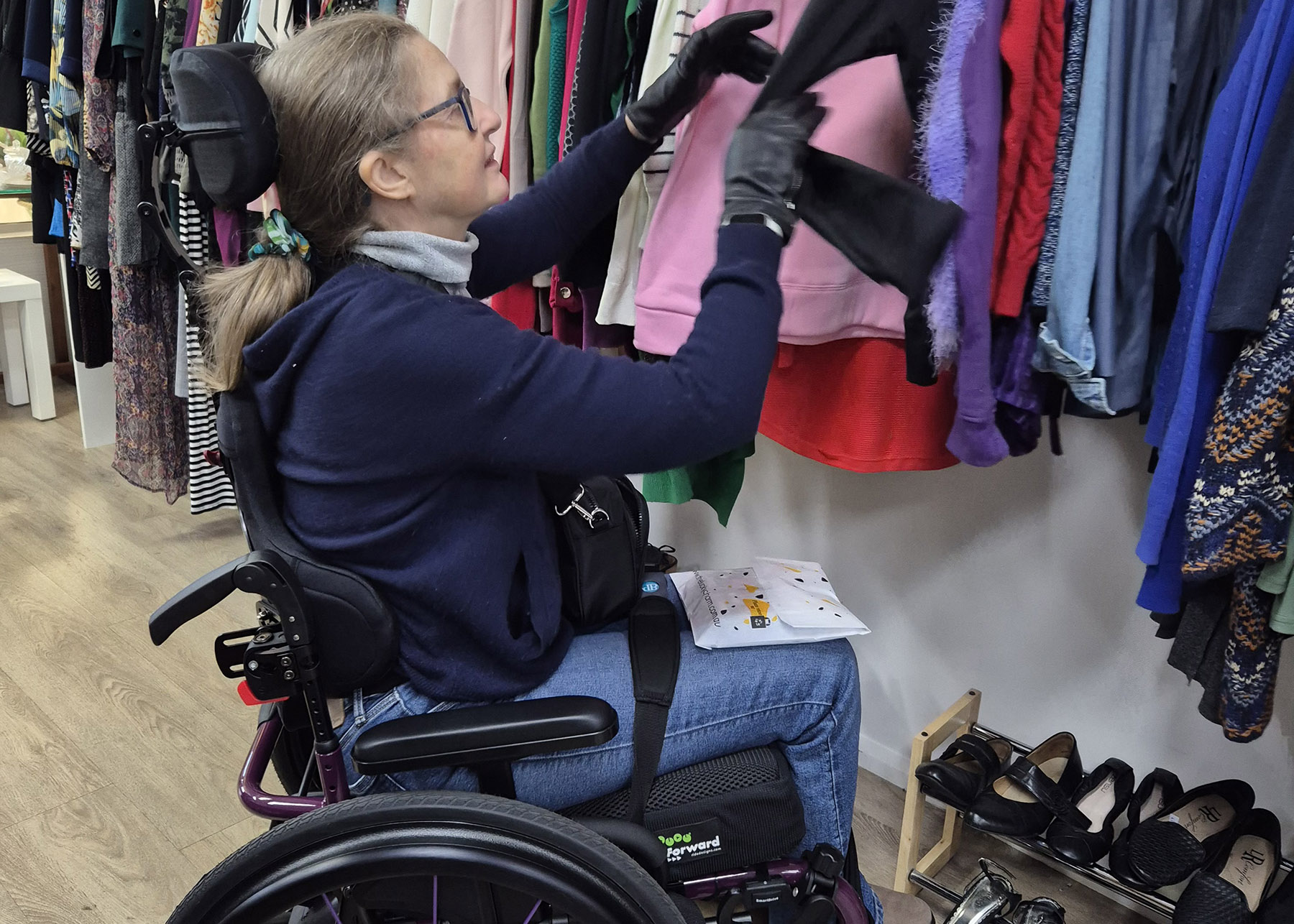
![A person is looking at some clothes in a shop - they are using a purple manual wheelchair.]()
26 October 2026
-
![]()
13 January 2025




Accessibility and Inclusivity
We respect and honour Aboriginal and Torres Strait Islander Elders past, present and future. We acknowledge the stories, traditions and living cultures of Aboriginal and Torres Strait Islander peoples on this land and commit to building a brighter future together.
Read more about our commitment to reconciliation